Social media and children
Fix the age check, not the age
Parliament should stop bidding up the minimum age for social media and insist that Brussels prove its age check can stop a determined 14-year-old.
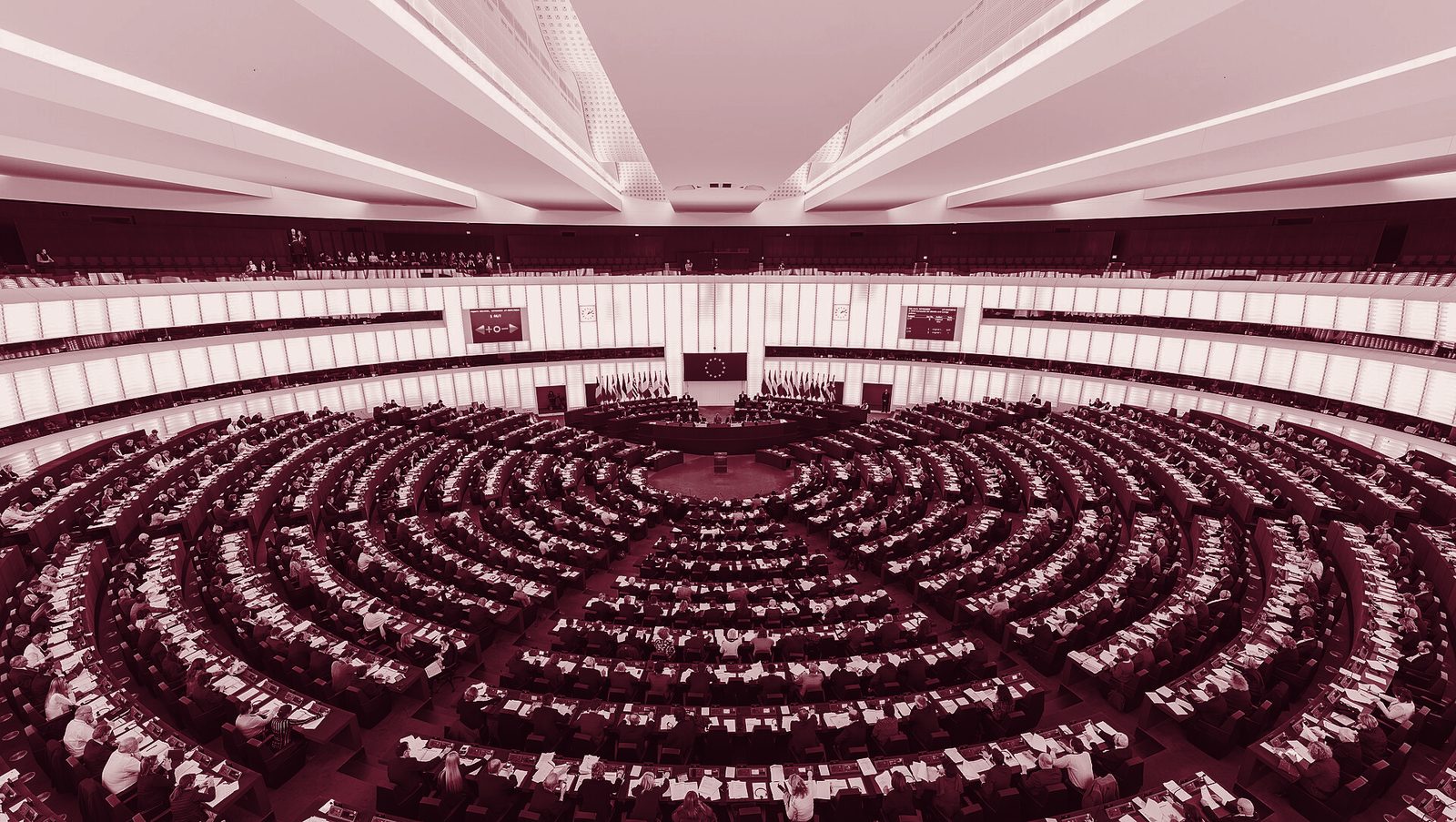
Almost everyone in Europe now agrees that a 12-year-old should not have a TikTok account. Almost no one can say how a platform is supposed to tell. That gap, rather than the quarrel over whether the cut-off should be 15 or 16, is where the European Union’s most ambitious law for children will be won or lost.
The quarrel is real enough. On November 26th 2025 the European Parliament voted by 483 to 92, with 86 abstentions, for a harmonised minimum age of 16 for social media, with parental consent for 13 to 16-year-olds.1 On September 17th 2026 the European Commission replied with the EU KIDS Act. It bars under-13s from social media accounts, lets a guardian open a limited account for 13 and 14-year-olds, and allows children to open their own from 15.23 National governments are not waiting. Greece plans a ban for under-15s from January 2027 and Denmark from July 2027, while Spain debates 16.4 France tried 15 and was stopped: its Constitutional Council struck down the core of the law in August, finding it too broad and short of safeguards for age checks.4
We think the Commission has the better of the number and the better of the method, and that Parliament should spend its energy elsewhere. A year older or younger changes who is covered. It does not change whether the law works. What does is whether a platform has to prove its product is safe, and whether anyone can prove who is using it. Ursula von der Leyen, the Commission’s president, put the first half plainly: “it is for platforms to show they are safe by design.”3
The only large experiment so far is Australia’s under-16 ban. Euronews reports that five million accounts have been closed since December, but also that ministers admit the ban “has not been as effective as hoped”, with many children getting past the age checks.4 EU Perspectives reports that more than four in five Australian under-16s were still using social media three months after the rules took effect.5 An age limit without a reliable gate is a Maginot Line: handsomely drawn, expensively staffed and walked round by the people it was meant to stop.
The KIDS Act is at least aware of the problem. Self-declared age is, in its words, “explicitly not enough”. Platforms must use certified checks run independently of them, including a free EU age verification app, and the law requires zero-knowledge proofs, which confirm an age without identifying anyone. Every member state must offer at least one free way to prove your age, app stores must carry the EU app, and platforms have six months after the rules apply to check existing accounts. Fines reach 6 per cent of worldwide turnover, and the Commission itself supervises platforms with 45m or more monthly EU users.2
The strongest objection is that this rests on a gate that does not yet hold. The Commission declared its app feature-ready on April 15th 2026.6 EU Perspectives reports that a researcher then compromised it in under two minutes by editing its configuration.5 Some child-rights groups add that a ban may push teenagers towards darker corners of the internet, and the public is less certain than the headlines: 91 per cent of Europeans want more measures on children and social media, yet only 36 per cent back an age ban, though that is the most for any single measure, according to Eurobarometer figures reported by Euronews.7
These are fair points, and they argue for auditing the check, not for dropping the line. A flawed app in April is a bug report. Nothing is yet in force: public feedback on the proposal runs until December 3rd 2026, and Parliament and the Council must still agree a text.2 Design rules alone, the alternative, would leave a 10-year-old with the same account and a politer feed.
So we would ask Parliament for two things in place of an auction between 15 and 16. First, an independent security audit of the age check, published before the rules apply. Second, a test written into the law: how many under-15s remain on the largest platforms a year after the rules start, measured rather than self-reported? Australia is learning the answer the slow way. Europe can at least ask the question first.
Whether the line sits at 15 or 16 is a fine argument for MEPs. Teenagers will care whether the check works.