Mistral and European AI
Back Mistral as a customer
Europe can have a frontier AI company in Mistral, but governments should back it as a customer and a landlord, not as a shareholder or a protector.
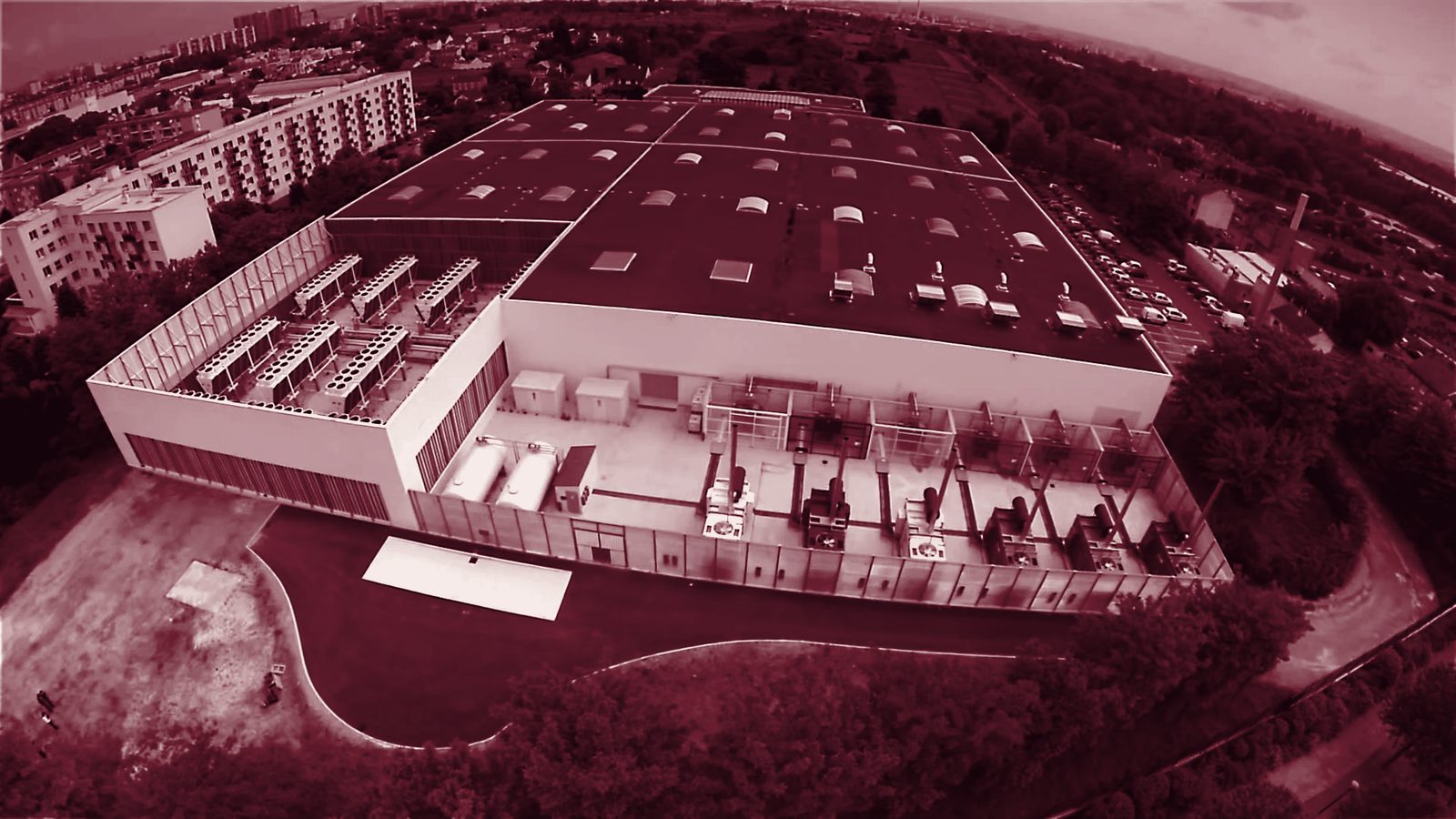
Airbus Industrie was set up on December 18th 1970 by firms from France, West Germany, Britain and Spain to build a wide-body airliner that could compete with American ones.7 Its first aircraft, the A300B1, flew within two years, on October 28th 1972.7 Europe is now running the same experiment in software, with a company that is three years old and has a good deal more money than it had a year ago.
On September 8th 2026 the French lab Mistral AI announced a Series D of €3bn at a post-money valuation of more than €21bn, which it says is the largest equity round ever completed by a European technology company.1 A year earlier a round led by ASML had valued it at €11.7bn.4 This time Samsung led, with the EU-backed Scaleup Europe Fund, managed by EQT, and PSG Equity as co-leads. BlackRock, Advent and the Grand Duchy of Luxembourg are new; ASML, Nvidia and Bpifrance returned.1 The biggest cheque came from Seoul, which tells you something about where European champions find their money.
We think Europe can have a frontier AI company, that Mistral is its best candidate, and that governments should help it by being a good customer and a good landlord. They should not become a shareholder with opinions. The business case is better than the rhetoric suggests. Mistral is on track for $1bn of annual recurring revenue by the end of 2026, according to Reuters, and has more than 125 customers.2 Its own list names Airbus, ASML and HSBC.1 Microsoft agreed in July to spend billions on Mistral’s computing infrastructure in Europe.2 At about $24bn, investors are paying roughly 24 times the revenue it expects to be running by year-end. That is rich, but it is a multiple on sales, not on a slide deck.
The strongest objection is size. OpenAI closed a round with $122bn of committed capital in March, at a post-money valuation of $852bn.4 Mistral’s €3bn is about $3.6bn, around 3 per cent of that, and TechCrunch noted that the capital needed to compete with the leading American labs is not available in France alone.3 Germany’s Aleph Alpha has already merged with Canada’s Cohere.3 A lab that cannot outspend its rivals risks being a follower with a better flag.
The gap is real, but the contest is not a straight race. TechCrunch’s account is that the American labs sell their models broadly, while Mistral aims at governments and companies that want control over how AI runs.3 It sells inference in chosen regions and is signing anchor customers to multi-year compute commitments.5 Mistral may never top every leaderboard. A buyer who needs a model to run inside Europe, on terms it can audit, is not shopping by leaderboard.
So what should Europe do? First, buy. A ministry or a bank that wants a European supplier should sign a contract, because a paying customer is the one form of support that also tests the product. Second, finish the compute. The EU has launched a call for tenders for up to seven AI gigafactories, each with more than 100,000 advanced processors, backed by up to €10bn of public money that is meant to unlock at least €20bn of private investment. The Commission’s page, updated on November 16th 2026, reports no selection yet.6 Mistral says it is aiming for 1 GW of capacity in Europe by 2030,3 and public capacity that any lab can rent at commercial prices would help it without singling it out.
What Europe should not do is oblige its public bodies to buy European by quota, or take a stake with strings attached. A quota turns customers into donors, and donors do not demand better models. Economists have a name for shielding a young firm until it is old and still cannot compete: the infant-industry argument. Mistral should not be made its test case. The EU-backed fund sat beside Samsung and BlackRock, which is where public money belongs, as one cheque among several and not in place of them.1
Brussels spent decades asking for a champion. A supplier that customers keep choosing would be an improvement.